- Home
- Patient Corner


Overview
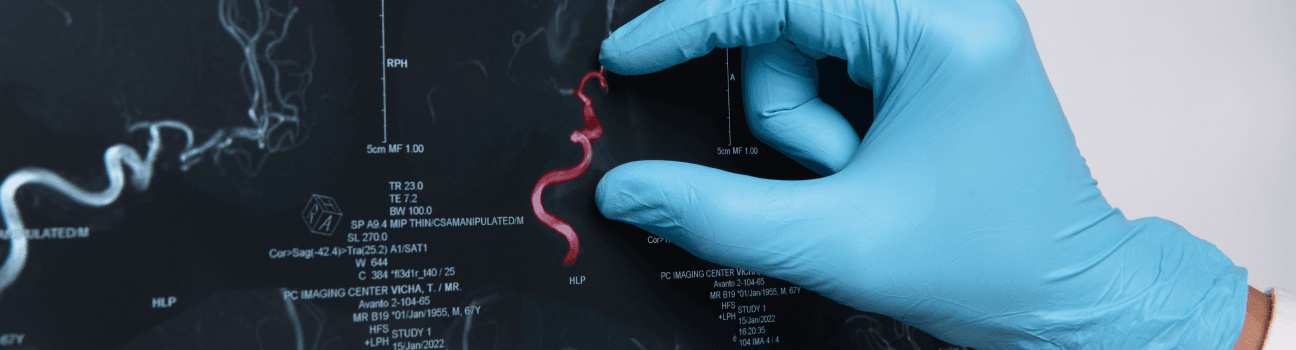
A stroke occurs when a blood vessel that carries oxygen and nutrients to the brain is either blocked by a clot or bursts (or ruptures).

Symptoms
• Numbness or weakness in your face, arm, or leg, especially on one side. Trouble seeing with one or both eyes.
• Confusion or trouble understanding other people.
• Difficulty in speaking.

Causes
It is caused by atherosclerosis or hardening of the arteries and carries the same risk factors as heart attacks (myocardial infarction, coronary artery disease), and peripheral vascular disease. Causes of peripheral vascular disease are high blood pressure, high cholesterol, diabetes, and smoking.

Diagnosis
Head injury history, family history of heart disease, CT scan, MRI, and blood tests.

Prevention
Eat a healthy diet, exercise regularly, and avoid smoking and drinking too much alcohol.

Treatment
Early treatment with medication like tPA (clot buster) can minimise brain damage. Other treatments focus on limiting complications and preventing additional strokes.

Everyday Life
Activities may be affected by stroke, resulting from the impact of paralysis, poor coordination, loss of feeling, lack of awareness or neglect of one side of the body, and difficulty in initiating a movement or planning a sequence of movements.