- Home
- Patient Corner

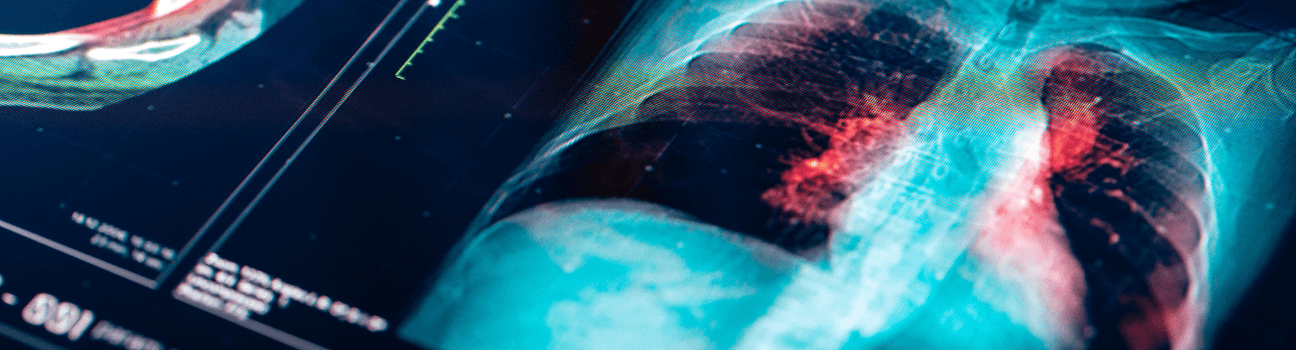

Overview
Non-small cell lung cancer is a disease in which malignant (cancer) cells form in the tissues of the lung. Smoking is the major risk factor for non-small cell lung cancer.

Symptoms
Chest discomfort or pain, cough that doesn’t go away or gets worse over time, troubled breathing, wheezing, blood in the sputum (mucus coughed up from the lungs), hoarseness, loss of appetite, weight loss for no known reason, feeling very tired, trouble in swallowing, and swelling in the face and/or veins of the neck.

Causes
Smoking cigarettes, pipes, or cigars – presently or in the past, exposure to second-hand smoke, exposure to asbestos, arsenic, chromium, beryllium, nickel, soot, or tar at the workplace, exposure to radiation, family history of lung cancer, being infected with the human immunodeficiency virus (HIV).

Diagnosis
Physical exam and history Chest X-Ray
CT scan
Sputum cytology Thoracentesis: The removal of fluid from the space between the lining of the chest and the lung using a needle.
If lung cancer is suspected, a biopsy is done.

Prevention
Quitting smoking Lower exposure to chemicals and toxins at the workplace Lower exposure to radon.

Treatment
Surgery Radiation therapy Chemotherapy Targeted therapy Immunotherapy Molecules used in chemotherapy: Carboplatin, Docetaxel, Gemcitabine, Nab-paclitaxel, Paclitaxel, Pemetrexed.

Everyday Life
If left untreated, science researchers estimate that people with the most common form of lung cancer, non-small cell lung cancer, might live an average of seven months.