- Home
- Patient Corner



Overview
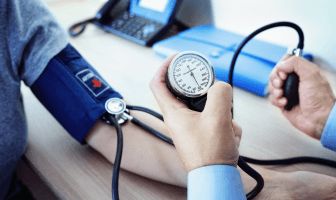
Hypertension (HTN or HT), also known as high blood pressure (HBP), is a long-term medical condition in which the blood pressure in the arteries is persistently elevated. Blood pressure is expressed by two measurements, the systolic and diastolic pressures, which are the maximum and minimum pressures, respectively. If the resting blood pressure is persistently at or above 130/80 or 140/90 mmHg, it qualifies as high blood pressure.

Symptoms
Headache, nausea, vomiting, dizziness, blurred or double vision, nosebleeds, palpitations or irregular or forceful beating of the heart, and breathlessness.

Causes
• Age • Family history • Physical inactivity • Obesity and overweight • Smoking • Alcohol intake • High salt intake • High-fat diet • Mental stress • Diabetes

Diagnosis
Hypertension is diagnosed based on persistently high resting blood pressure. The American Heart Association recommends at least three resting measurements on at least two separate healthcare visits. The UK National Institute for Health and Care Excellence recommends ambulatory blood pressure monitoring to confirm the diagnosis of hypertension if the blood pressure is 140/90 mmHg or higher.

Prevention
Hypertension can be controlled with regular exercise, stress management, weight reduction, a healthy diet, smoking cessation, and reducing salt content and junk food.

Treatment
Anti-hypertensives (Angiotensin II receptor blockers -ARBs, Calcium Channel Blockers- CCBs) are recommended, along with diet, exercise, and lifestyle modification.

Everyday Life
Hypertension leads to Stroke, Heart attack and Heart failure, Blood clots, Aneurysm, Kidney disease, Thickened, Narrow, or torn blood vessels in the eyes ,metabolic syndrome ,brain function and memory problems