- Home
- Patient Corner



Overview
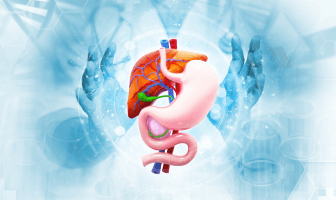
GERD (Gastroesophageal Reflux Disease) is a digestive disorder that occurs when acidic stomach juices or food, and fluids back up from the stomach into the esophagus. This backwash can irritate the lining of one’s esophagus. The esophagus is a tube that transports food from the mouth to the stomach. Acids in the esophagus cause heartburn, possible tissue damage, etc. GERD affects people of all ages- from infants to older adults. It is mild acid reflux that occurs at least twice a week or moderate to severe acid reflux that occurs at least once a week. GERD is characterized by symptoms and/or tissue damage that results from repeated or prolonged exposure of the lining of the esophagus to contents from the stomach. If tissue damage is present, the individual is said to have esophagitis or erosive GERD. The presence of symptoms with no evident tissue damage is referred to as non-erosive GERD.

Symptoms
The symptoms of GERD are: • Heartburn • Chest pain • Coughing • Difficulty in swallowing • Regurgitation of food or sour liquid • Nausea and vomiting • Sore throat • Sensation of a lump in your throat In night-time acid reflux, one may experience chronic cough, laryngitis, and disrupted sleep.

Causes
Causes of GERD are: Overweight or obesity Delayed emptying of the stomach (gastroparesis) Certain foods and drinks such as fatty or fried foods Alcohol Smoking Certain medications Hiatal Hernia Pregnancy

Diagnosis
The following tests are done to diagnose GERD: • Esophageal pH and impedance monitoring • Upper GI endoscope • Upper GI series • Esophageal manometry

Prevention
Staying upright after eating. Eat 2-3 hours before going to bed. Quit or avoid smoking. Avoid strenuous activities after eating. Exercise for weight loss. Sleep at a slightly elevated angle.

Treatment
The use of medications can help in the management of symptoms.
Antacids Proton Pump Inhibitors (PPIs) H2 Blockers Prokinetics

Management
GERD can be managed by making dietary & lifestyle changes as follows:
Maintaining a moderate weight Quitting smoking Avoiding heavy meals in the evening Waiting a few hours after eating to lie down Sleeping in an inclined position
Everyday life
Avoid or lessen the consumption of greasy foods, spicy foods, chocolate, and alcoholic drinks. Lifestyle changes and medications can help to manage GERD.