- Home
- Patient Corner


Overview
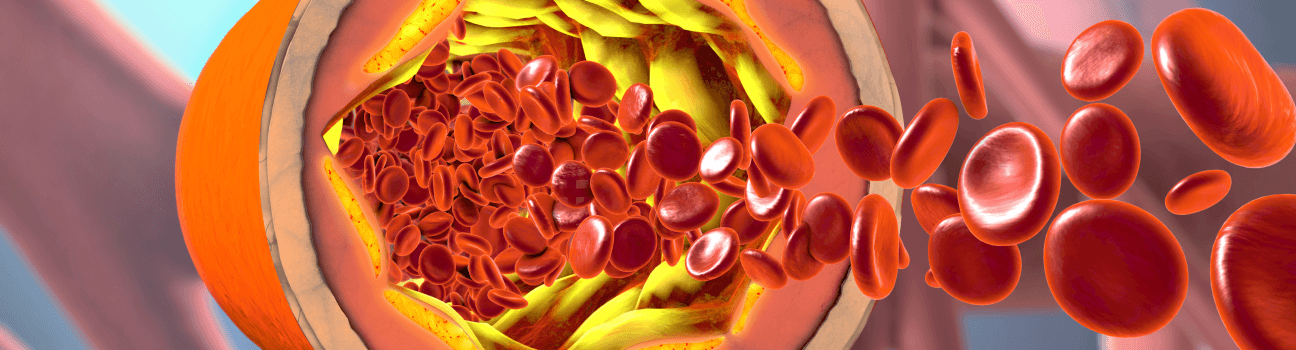
A disorder of lipoprotein metabolism, including lipoprotein overproduction. Dyslipidemias may be manifested by elevation of the total cholesterol, the "bad" low-density lipoprotein (LDL) cholesterol and the triglyceride concentrations, and a decrease in the "good" high-density lipoprotein (HDL) cholesterol concentration in the blood.

Symptoms
Chest pain,tightness or pressure in the chest and shortness of breath pain, tightness, and pressure in the neck, jaw, shoulders, and back indigestion and heartburn,sleep problems and daytime exhaustion dizziness,heart palpitations,cold sweats,vomiting and nausea, swelling in the legs, ankles, feet, stomach, and veins of the neck, fainting

Causes
Dyslipidemia is caused by obesity, especially excess weight around the waist, diabetes, hypothyroidism, alcoholism, metabolic syndrome, excessive consumption of junk foods & family history.

Diagnosis
Diagnosis is by measuring plasma levels of total cholesterol, TGs, LDL, HDL, Non-HDL.

Prevention
Yes, Dyslipidemia can be prevented by losing weight, quitting smoking, becoming more physically active, by healthy diet, yoga & meditation & medication with drs advice.

Treatment
Statins are reccomended along with diet , exercise and lifestyle modification.

Everyday Life
If dyslipidemia is not treated on time then it may lead to cardiovascular disease, which can be symptomatic. High LDL cholesterol levels are associated with coronary artery disease (CAD), which is blockage in the arteries of your heart, and peripheral artery disease (PAD), which is blockage in the arteries of your legs. CAD can lead to chest pain and eventually a heart attack