- Home
- Patient Corner



Overview
Atrial Fibrillation (also called AFib or AF) is a quivering or irregular heartbeat (arrhythmia) that can lead to blood clots, stroke, heart failure, and other heart-related complications. Often Atrial Fibrillation starts as brief periods of abnormal beating which become longer and possibly constant over time.

Symptoms
Atrial Fibrillation or AFib may have no symptoms. Occasionally there may be heart palpitations, fainting, light-headedness, shortness of breath, or chest pain.

Causes
High blood pressure and valvular heart disease are the most common alterable risk factors for AF. Other heart-related risk factors include heart failure, coronary artery disease, cardiomyopathy, and congenital heart disease. In the developing world, valvular heart disease often occurs as a result of rheumatic fever. Lung-related risk factors include COPD, obesity, and sleep apnea. Other factors include excess alcohol intake, tobacco smoking, diabetes mellitus, and thyrotoxicosis. However, half of the cases are not associated with any of these risk factors.

Diagnosis
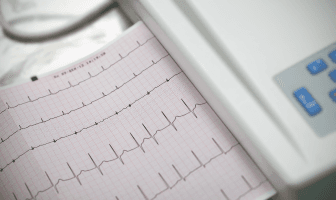
The evaluation of atrial fibrillation involves the determination of the cause of the arrhythmia and the classification of the arrhythmia. Diagnostic investigation of AF typically includes a complete history and physical examination, ECG, transthoracic echocardiogram, complete blood count, and serum thyroid stimulating hormone level.

Prevention
To reduce the risk of the onset of AFib, maintaining a heart-healthy lifestyle is the best option. If you have been diagnosed with AFib, take medications as prescribed and ensure proper management of your condition to reduce the risk of AFib's harmful consequences.

Treatment
The main goal of the treatment is to prevent circulatory instability and stroke. Rate or rhythm control is used to achieve the former, whereas anticoagulation is used to decrease the risk of the latter. Medicines like Vitamin K Antagonists (VKAs) and NOACs (Dabigatran etc.) are frequently used to manage AF to prevent stroke. If a person is cardio-vascularly unstable due to uncontrolled tachycardia, immediate cardioversion is indicated. Regular and moderate-intensity exercise is beneficial for people with AF as is weight loss. In young people with little-to-no structural heart disease where rhythm control is desired and cannot be maintained by medication or cardioversion, radiofrequency catheter ablation or cryoablation may be attempted and is preferred over years of drug therapy.

Everyday Life
Living with AFib can affect many different aspects of life, including one’s stamina, relationships, and emotional health. But taking an active role in your care can help you feel better and more in control. If untreated, the patient may end up having a stroke. A few tips which can make a difference are:
Talk to your doctor about how AFib is affecting your life. Know your stroke risk. Take your medications exactly as prescribed. Take steps to manage other medical conditions. Eat a heart-healthy diet.